

By Grayson
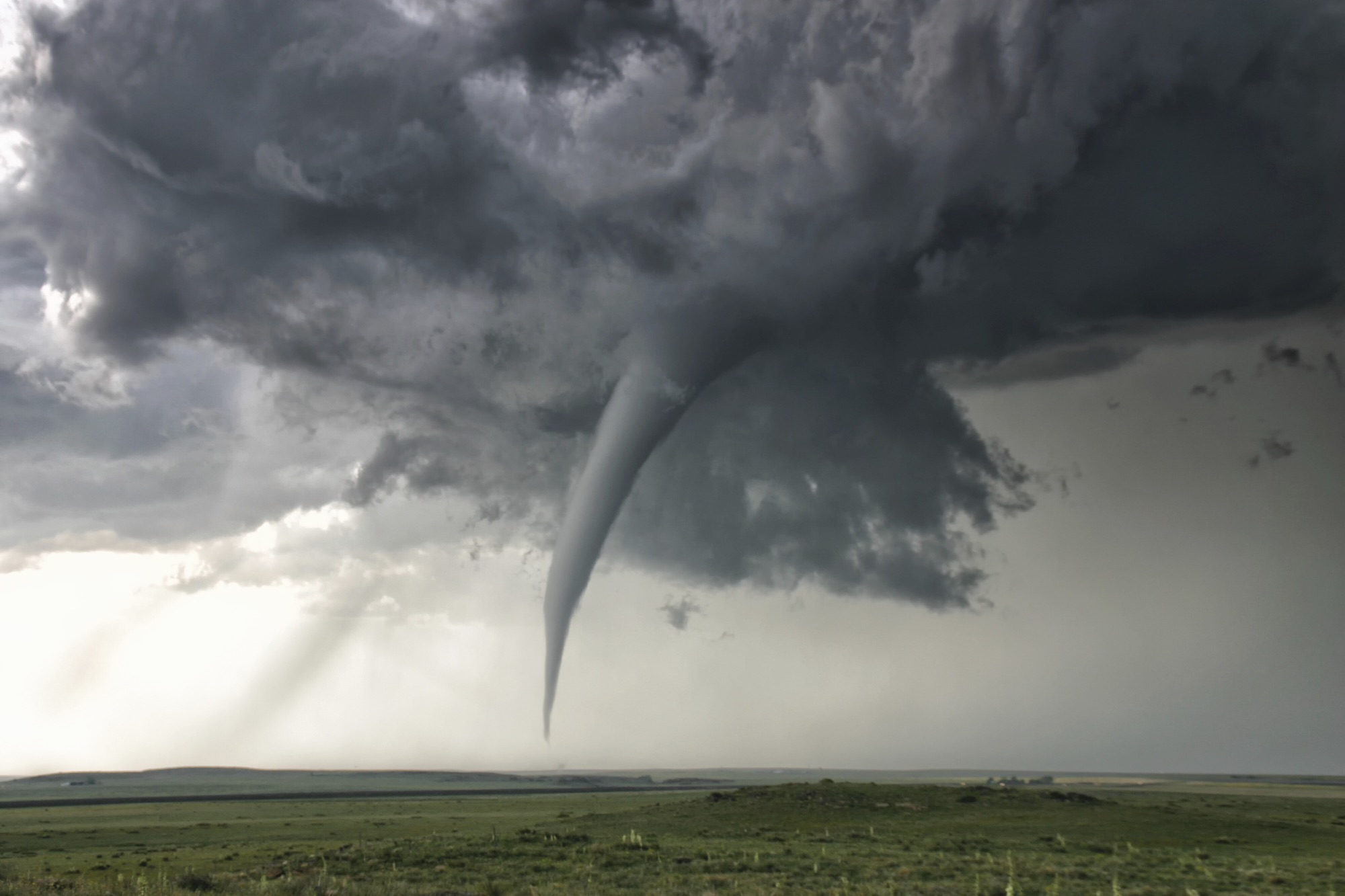
Tornadoes are one of nature’s most powerful and destructive phenomena. They are violently rotating columns of air that extend from a thunderstorm to the ground, capable of wreaking havoc on anything in their path. But how exactly do tornadoes form, and what makes them so destructive? Let’s break it down.
The Formation of a Tornado
Tornadoes are born from severe thunderstorms, especially those called supercells. Here’s how the process works:
1. The Right Ingredients:
Tornado formation requires a unique combination of atmospheric conditions:
• Warm, moist air: This usually comes from the Gulf of Mexico or another large warm body of water.
• Cool, dry air: Often from the north or west, creating a sharp temperature contrast.
• Wind shear: A change in wind speed or direction with height, causing air to rotate horizontally.
2. Rotating Updraft:
When warm, moist air rises and meets cooler, dry air, it creates an unstable atmosphere. Strong updrafts (rising air currents) tilt the horizontal rotation caused by wind shear into a vertical position.
3. Mesocyclone Development:
As the updraft strengthens, it can form a rotating column of air called a mesocyclone within the thunderstorm. This is the precursor to a tornado.
4. The Funnel Cloud:
If the rotation intensifies, the mesocyclone tightens and stretches downward. A visible funnel cloud may form as water vapor condenses around the swirling air.
5. Touchdown:
When the funnel cloud reaches the ground, it becomes a tornado.
What Makes Tornadoes So Destructive?
Tornadoes vary in strength, with wind speeds ranging from 65 mph to over 300 mph. Here’s why they can cause so much damage:
• Wind Speed: Strong winds can tear buildings apart, uproot trees, and lift vehicles into the air.
• Flying Debris: Objects picked up by the tornado act as projectiles, increasing the potential for destruction.
• Unpredictability: Tornadoes can change direction and speed suddenly, making them difficult to avoid.
The Enhanced Fujita (EF) Scale
Tornadoes are rated on the EF scale based on the damage they cause:
• EF0: Light damage (65-85 mph winds)
• EF1: Moderate damage (86-110 mph winds)
• EF2: Significant damage (111-135 mph winds)
• EF3: Severe damage (136-165 mph winds)
• EF4: Devastating damage (166-200 mph winds)
• EF5: Incredible damage (over 200 mph winds)
Where Do Tornadoes Happen?
While tornadoes can occur anywhere in the world, they are most common in the United States, particularly in “Tornado Alley,” a region stretching from Texas to South Dakota. This area experiences the perfect combination of weather conditions for tornado formation.
Safety During a Tornado
If a tornado warning is issued, here’s what to do:
• Seek shelter immediately: Go to a basement or an interior room on the lowest floor of a sturdy building.
• Avoid windows: Flying debris is a major hazard.
• Protect yourself: Use blankets, mattresses, or helmets to shield against debris.
Conclusion
Tornadoes are a powerful reminder of nature’s raw strength. Understanding how they form and knowing what to do during one can help us stay safe and prepared. While we can’t prevent tornadoes, we can study them to better predict their behavior and minimize their impact.